
“Every game is an archaeological expedition.” How SNEG preserves gaming’s fragile past

When he isn’t writing for our sister site Wargamer or painting Warhammer, Tim is stuck trying to complete Blue Prince.
Updated: August 25, 2026 10:00 pm
Gaming has a memory problem, and I don’t just mean the price of RAM. While the 0s and 1s that make up game code are immortal, there are any number of barriers preventing modern gamers from playing old games, from incompatibility with modern hardware to rights disputes that leave games trapped in unpublishable limbo. One company devoted to restoring this lost media is SNEG Games, a publisher “focused on reviving classic games from the digital abyss and legal hell.” I spoke to Co-Founder Artem Shchuiko to learn more about the painstaking process of resurrecting a dead game.
“The challenge often starts even before we touch the game itself”, Shchuiko says. Something as seemingly trivial as securing the rights for an old game could be a quest in itself. He gives an example: “in order to bring Pool of Radiance: Ruins of Myth Drannor back, we had to secure rights from three separate parties: Wizards of the Coast, the original developer, Stormfront Studios, and the original publisher, Ubisoft.”
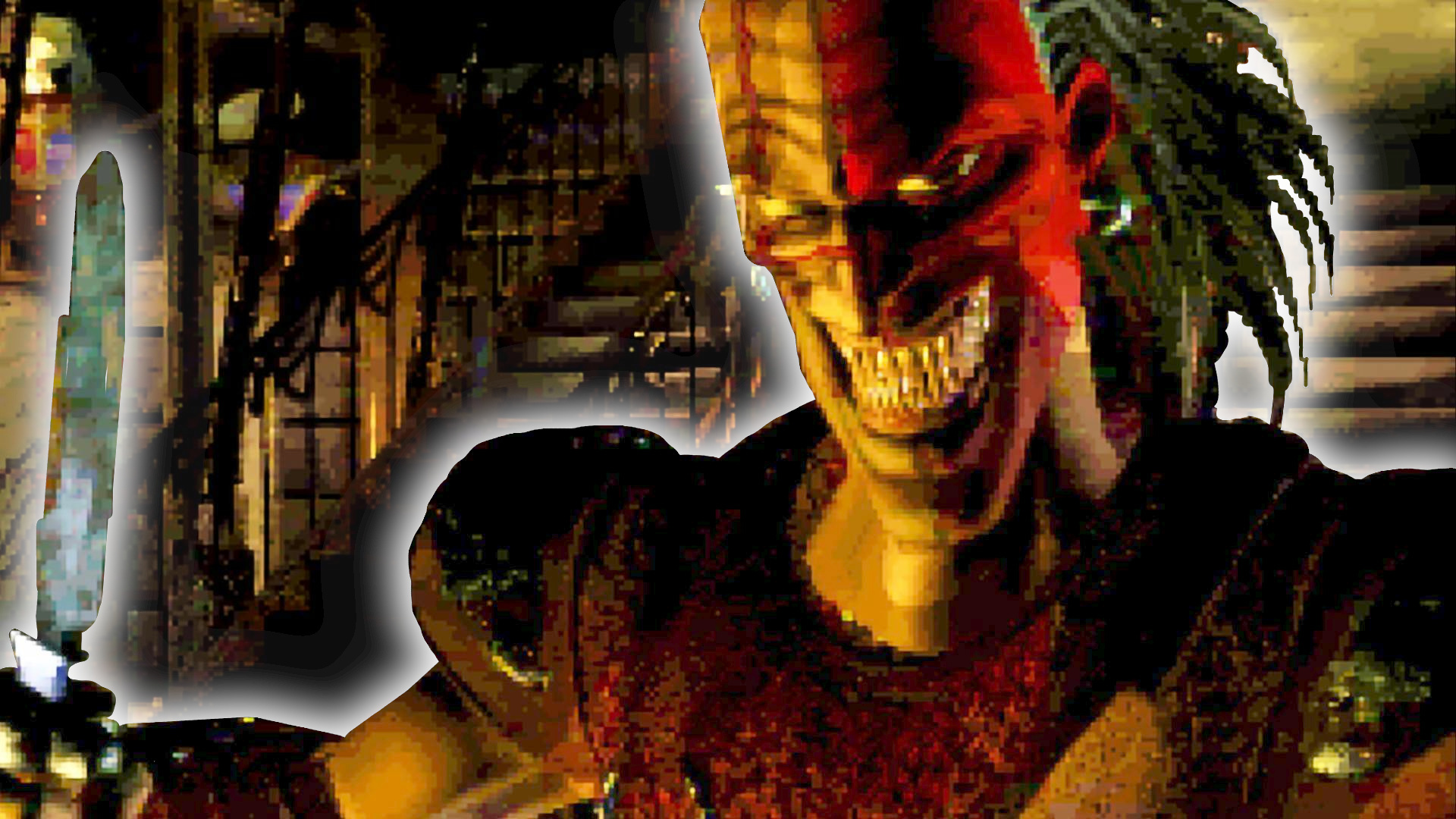
That’s actually one of the tamer challenges SNEG has faced. “To bring the Ecstatica games we first had to find the original developer, who had left the games industry more than 20 years ago and moved in a completely different direction – into science and sculpture”. Just finding him was detective work, but this was only the first step. “We then had to build a relationship and earn his trust, so that he felt comfortable putting his games in our hands.”
Acquiring the rights to another, as-yet unannounced title was even more fraught. “We actually had to reinitiate legal proceedings related to the bankruptcy of a company that didn’t exist for more than 25 years, just to create a legal path that would allow us to acquire those rights,” Shchuiko says.
And that’s just the beginning. “In the majority of cases, the original source code is no longer available,” Shchuiko explains, “which means we have to reverse-engineer parts of the game in order to make it compatible with modern operating systems,” let alone begin fixing any bugs or accessibility issues the game may have. And in cases when the source code is available, “it may have been written using languages or technologies that are no longer commonly used, and finding developers with the right expertise is a quest within a quest.”
Shchuiko calls the process “digital archaeology – dealing with old or incomplete source code, obsolete technologies, missing assets and documentation, and figuring out the chain of title and who owns what.” And just like an archaeological expedition, “you rarely know exactly what you’re going to find until you start digging.”
And all of this is “only the beginning of the road.” The kinds of challenges that can crop up are varied and borderline cursed. “Depending on the title, we might end up rewriting parts of the renderer, adding proper controller support, rebuilding compatibility with modern hardware, or finding completely new solutions for systems that were designed 20 or 30 years ago.”
These requirements mean that the team working at SNEG has a “somewhat unusual mix of skills” you’re unlikely to find at another development studio, though Shchuiko emphasises that “we can’t do everything in-house, even if we wanted to.” But he actually thinks “the most important skill is being long-time gamers ourselves. Our goal isn’t to redesign these games according to modern standards, but to understand what made them special in the first place and preserve that while removing, where possible, technical and user experience barriers that prevent people from enjoying them today.”
But what, exactly, are they trying to preserve? Even before digital distribution became the norm, it was typical for multiple visions of a game to exist. The version that the designers wanted to make was different from the product that they shipped; re-releases with new patches or definitive editions could result in various versions of a game throughout its publication history; and fans were making mods for games even before internet speeds made it easy to distribute them.
“For us, preservation is not simply about keeping the original files somewhere or making sure a game can technically launch on a modern PC,” Shchuiko says, “It’s about making sure people can actually continue to experience and enjoy that game.” This isn’t a trivial goal. “We want to stay as faithful as possible to the original experience – its gameplay, atmosphere, design choices and identity,” Schuiko explains, but “at the same time, some things that were acceptable or simply unavoidable 20 or 30 years ago can become real barriers today.”
He lists them off: “Compatibility issues, broken resolutions, lack of modern controls, or bugs that have frustrated players since the original release don’t necessarily need to be ‘preserved’ just because they were there at launch.” And of course, “who wants to have a bug that could format your HDD?” But this has to be achieved with a light touch: “we don’t want to reinvent these games or turn them into something they were never meant to be.”
SNEG’s approach “is to understand what is part of the game’s identity and what is simply a limitation of the technology or an issue the original developers would likely have fixed if they had the opportunity.” This is heavily informed by what the game’s community has said about the game in the years since its launch, “because long-time players often have a very clear understanding of that distinction.”
Shchuiko and the team at SNEG attempt to strike a balance: “we want to remove the barriers that prevent people from playing them today, while keeping the experience and spirit that made them worth preserving in the first place.” He sums it up poetically: “preservation means respecting the original while giving it a future.”